How to Choose the Right Antenatal Classes in Leeds: A Midwife’s Guide
Why do antenatal classes still matter?
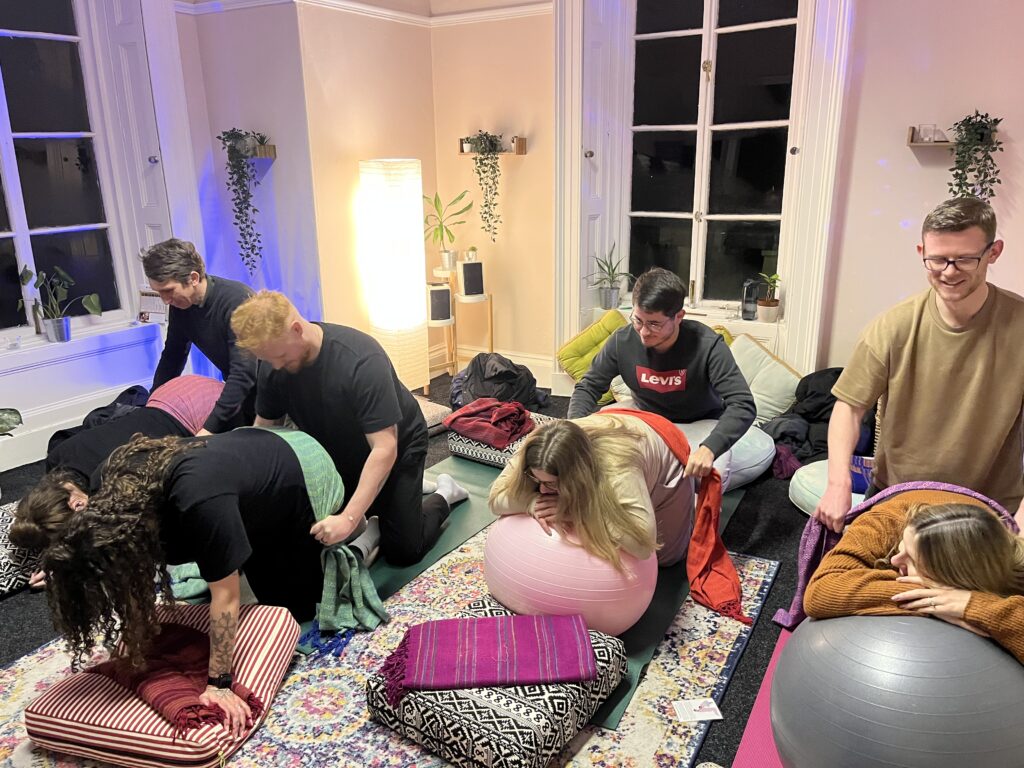
Antenatal classes have been around for decades, from NHS provided, to NCT, to independent businesses, midwives and doulas offering their services more recently. There is strong research evidence to show that antenatal classes can decrease fear of birth, improve people’s belief in their ability to manage birth (Zaman et al., 2025) and contribute to a more positive birth experience, no matter the actual mode of birth (Mueller et al., 2020). They are also a fantastic way to meet other local parents-to-be, connect with other partnerships and create supportive networks for postpartum and beyond.
What’s the difference between NHS and private antenatal classes in Leeds?
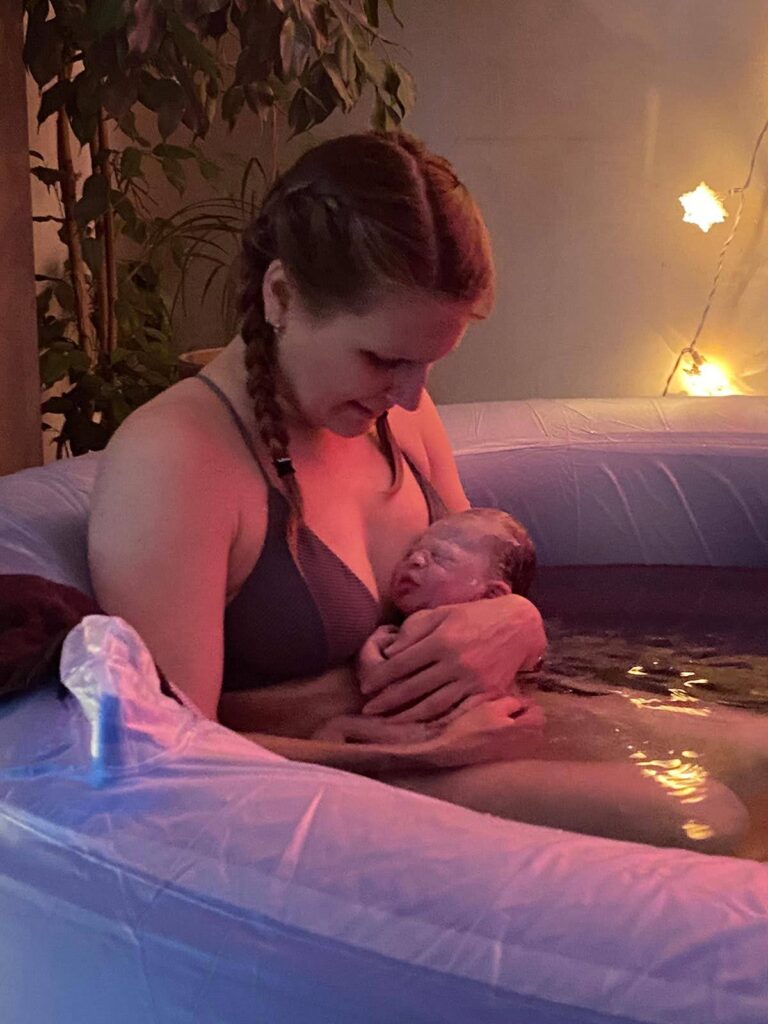
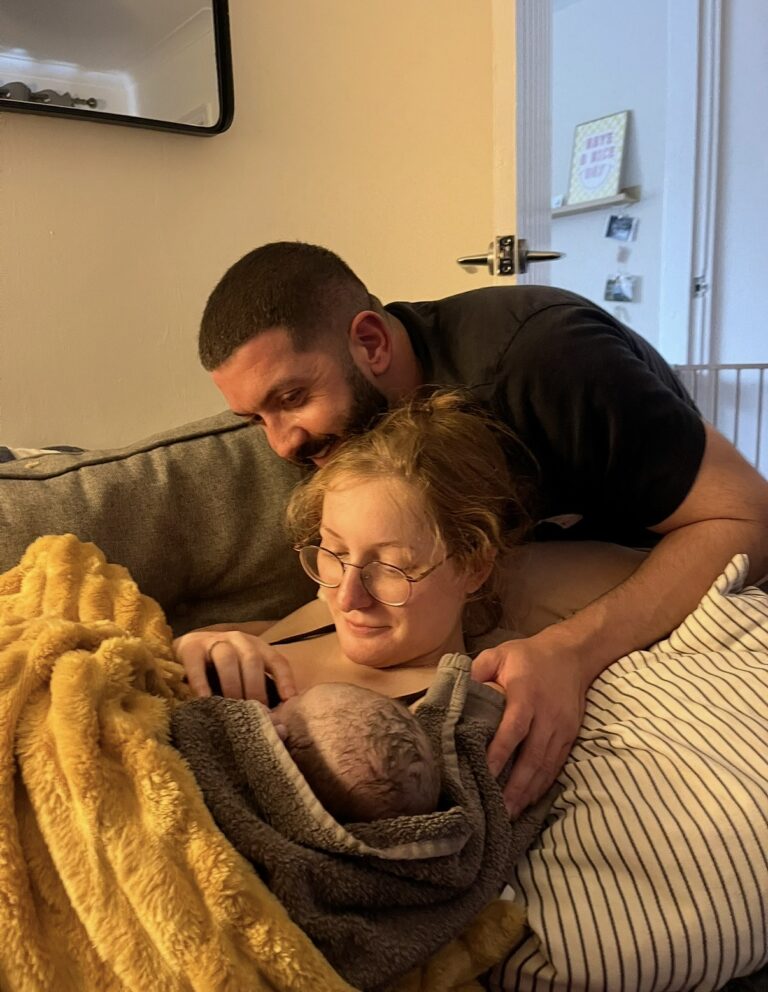
The biggest difference is the cost: NHS classes are free and private antenatal classes are not. But I can bet that everyone that has attended a decent antenatal course would say it was well worth it and that it had a positive impact on their birth: 100% of Birth Journeys antenatal course participants in 2024-25 reported that they felt more prepared for labour & birth following the course. All of them also said they would recommend to a friend. In my opinion, investing in your birth to make it a positive experience sets you up for postpartum and can have a real impact on the rest of you and your baby’s lives!
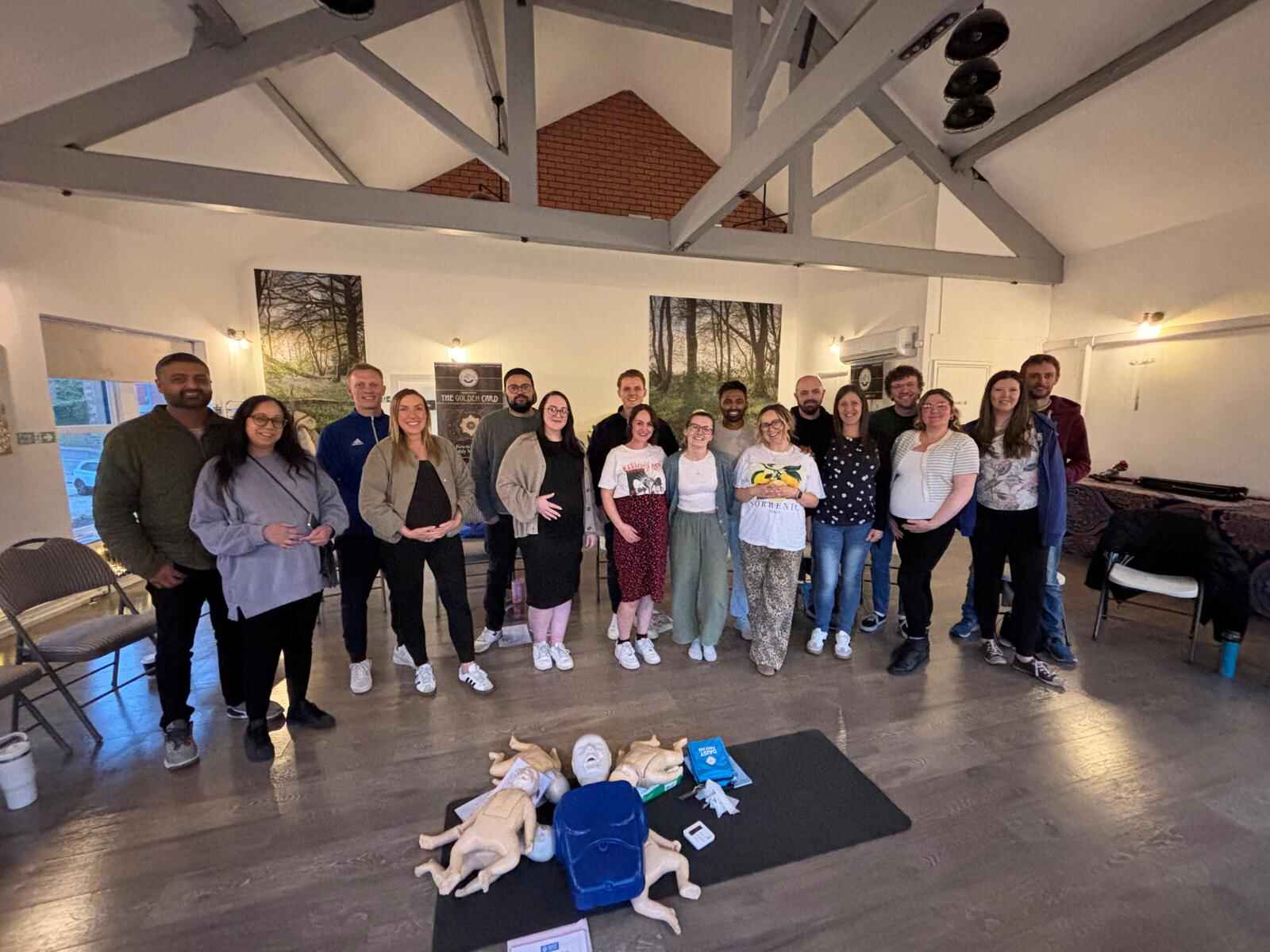
The other major difference is the content: often those teaching on NHS antenatal classes have strict criteria and guidelines they have to stick to, rather than incorporating more recent, evidence-based information and advice. On the other hand, private antenatal class providers can choose the content of their sessions, often enlisting the help and advice of other practitioners to provide in-depth sessions on first aid, assisted birth, infant feeding etc. We also have the freedom and time to personalise information, take time to go over topics again and generally provide a more tailored service where you feel more comfortable to ask questions.
“I’ve done a number of free online antenatal sessions (including those run by the NHS) and where Leah really stands out is with the warmth, support, and the respect for your birth preferences.”
– Bryony, first-time Mum, Sept 2024
Logistically, private antenatal classes may be more accessible for some in view of times and locations, whereas NHS classes are often online, which may not be your preference.
When should you book antenatal classes?
Antenatal classes should be booked so that you start around 28-32 weeks, but honestly, it’s never too early to start preparation for birth and parenthood. This is especially true if you or your partner have fears or anxieties that may take time to overcome. Most Birth Journeys courses are fully booked one month in advance, so booking early is a good idea.
What questions should you ask before booking?
It’s really important here to think about what is important to you when booking antenatal classes, aka. What are you looking to gain from them? Do you want to meet people local to you or are you willing to travel for a better-quality course? What topics are included? How do you prefer to learn?
It could be useful to ask about the provider’s qualifications: for example, are they a midwife or parent? Do they have experience of labour and birth? Are they trained in hypnobirthing? First aid? What courses have they done to be able to provide their services? Are they accredited and insured?
You may also want to ask about payment – can you split the cost or pay in installments? Ask about what happens if you have your baby early, miss a session or need to leave the course for any reason.
How do you know which antenatal course is right for you?
Once you’ve decided what sort of thing you’re after, your intuition is important – do this person’s services reach out to you? What are other people saying about the course in reviews? Do you think you’d prefer evening classes over a longer period of time or more of a ‘crash course’ all in one weekend? Do you need a 1:1 session, a short course, refresher, pregnancy relaxation, the list goes on! There are so many options out there – I’d be happy to help and advise, even if you don’t think I’m the right fit for you.
What should good antenatal classes include?
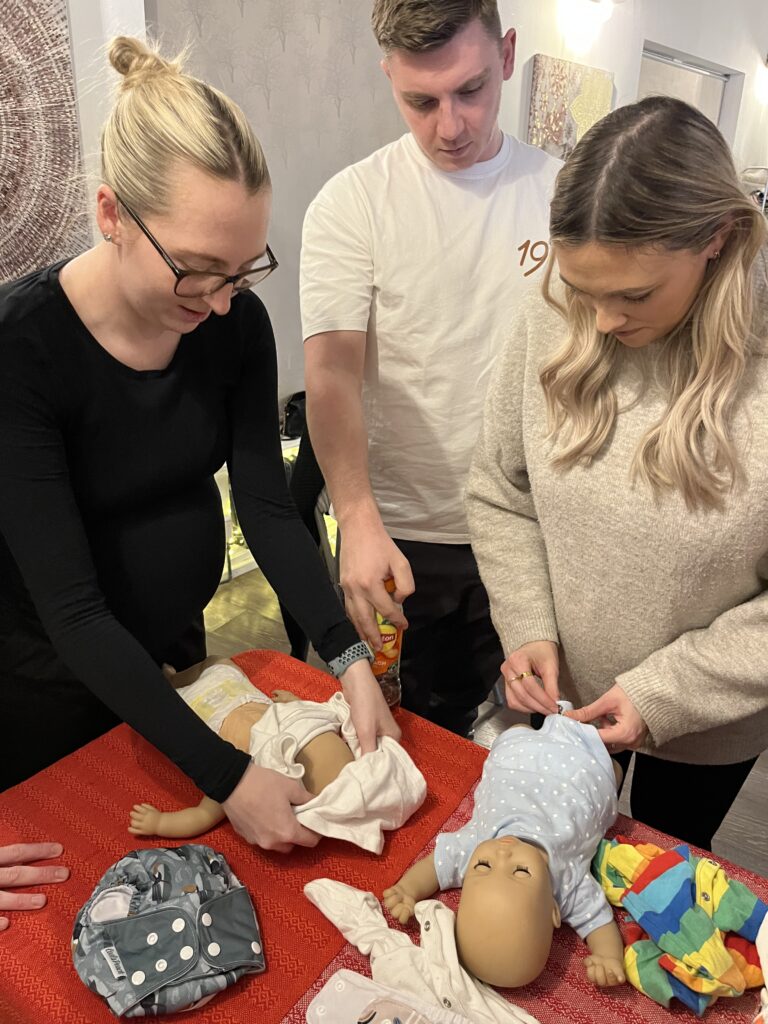
This is a subjective question and will depend on what you decide you are wanting to get from antenatal classes. Most will include information about the stages of labour, pain relief, induction of labour, what to expect during an unplanned C-section, when to contact the maternity unit, feeding your baby etc. Sadly, this basic level of preparation is no longer enough if you are wanting to truly prepare. As a midwife, I would expect information on advocating for yourself, choice in labour/birth and understanding the realities of birthing in the NHS to also be included. Some will add in hypnobirthing techniques, a postpartum meet-up or infant first aid skills.
Some (like Birth Journeys Antenatal Courses) go one step further and include all of the above, in addition to detailed information regarding postpartum planning, recovery from assisted & operative birth and caring for your pelvic health following birth, both clinically and holistically.
- If you’re looking for calm, honest and practical antenatal education, take a look at my group antenatal courses in Morley, or contact me for 1:1 sessions in the comfort of your own home.